中文简体
 English
Product Consultation
Your email address will not be published. Required fields are marked *

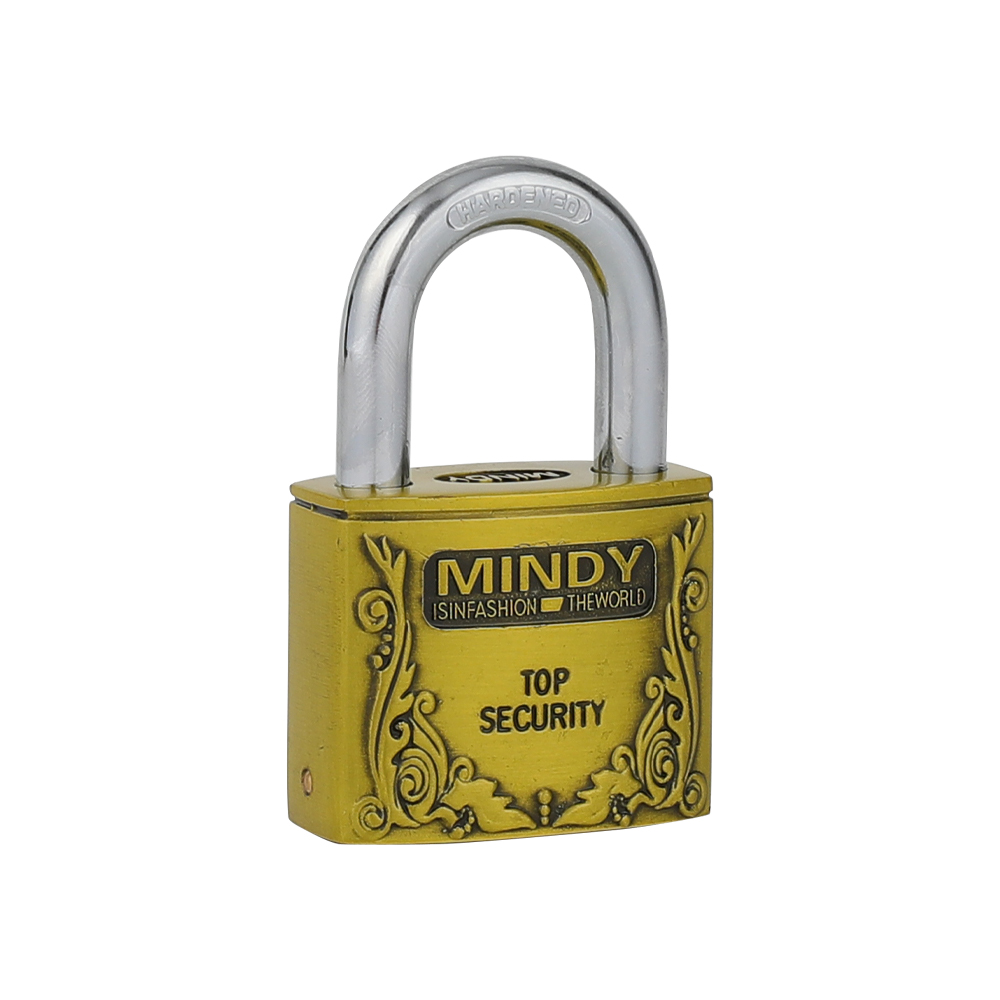
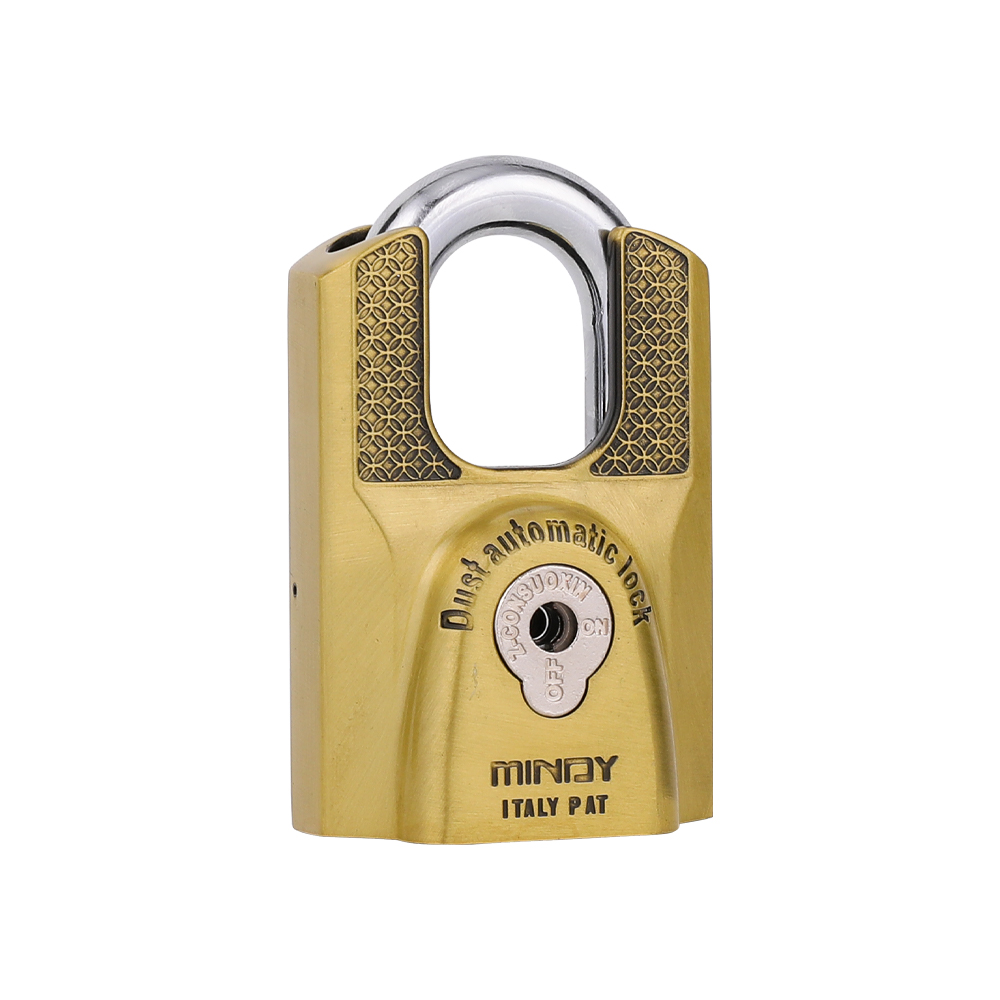
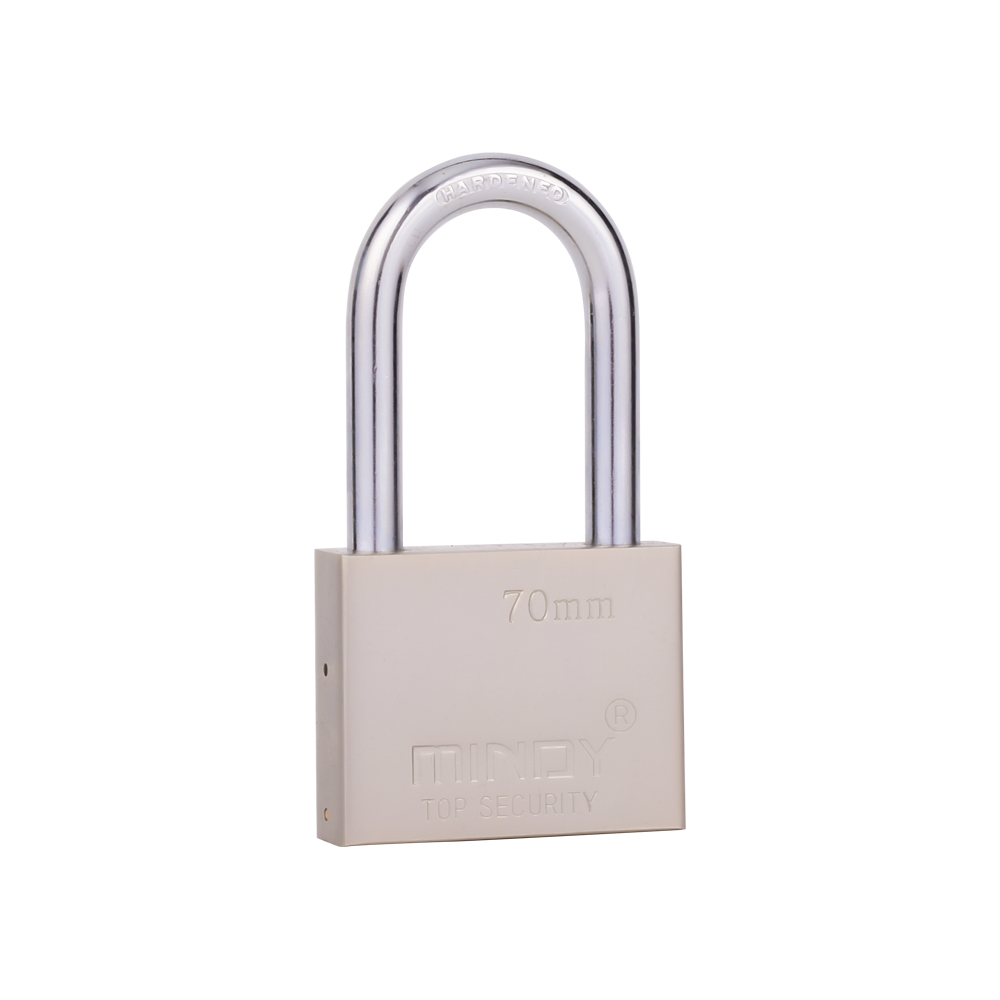
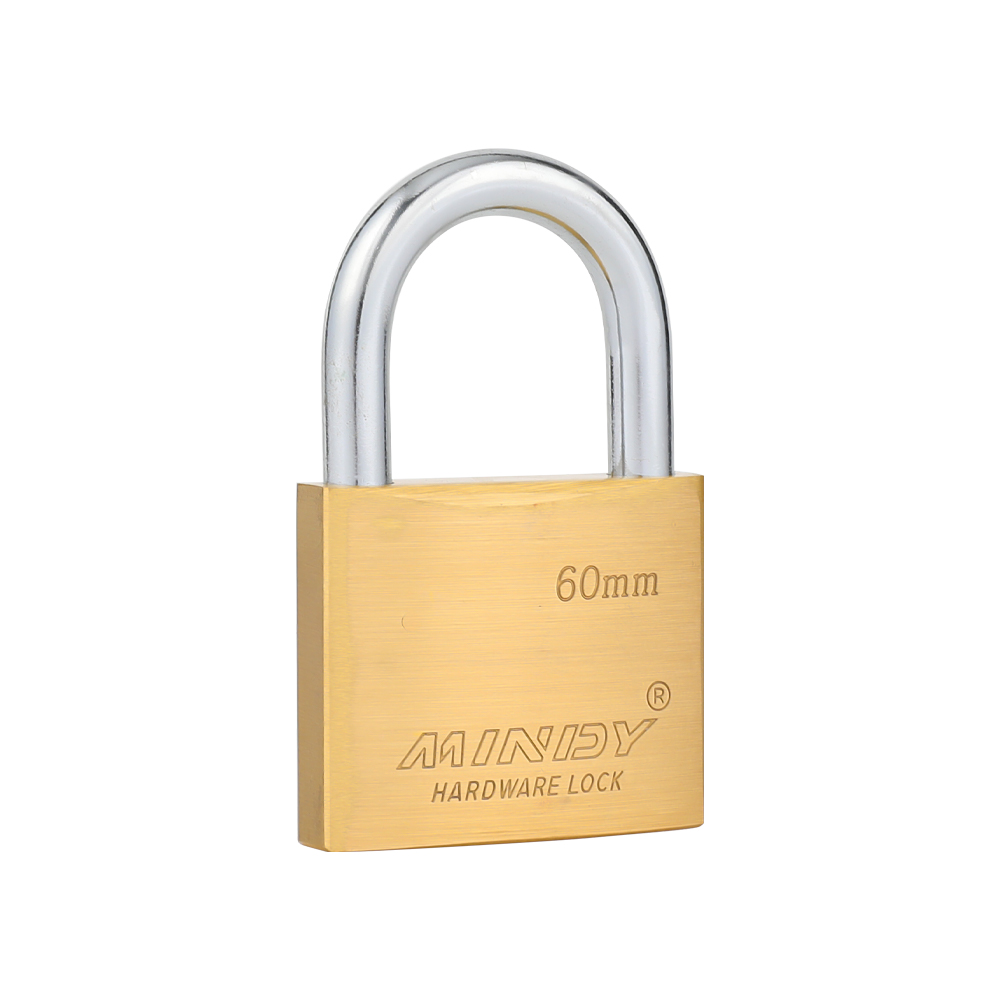
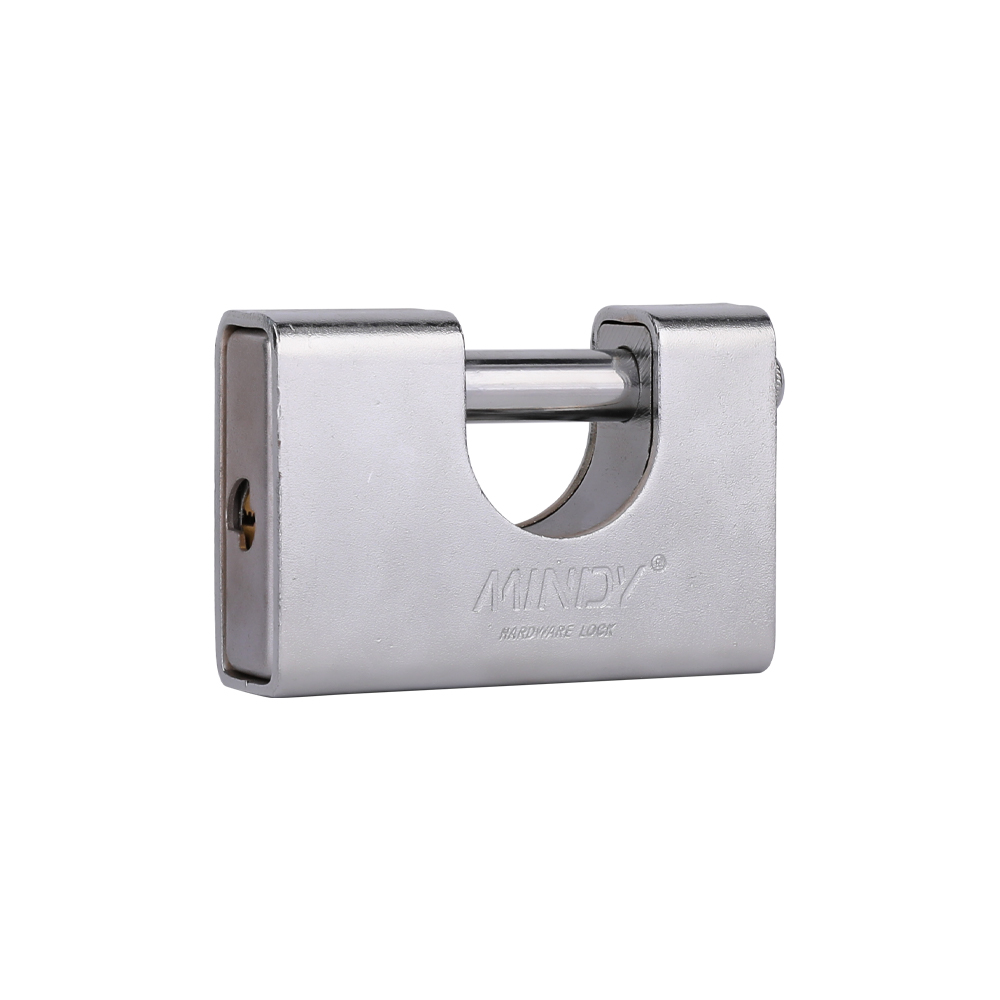
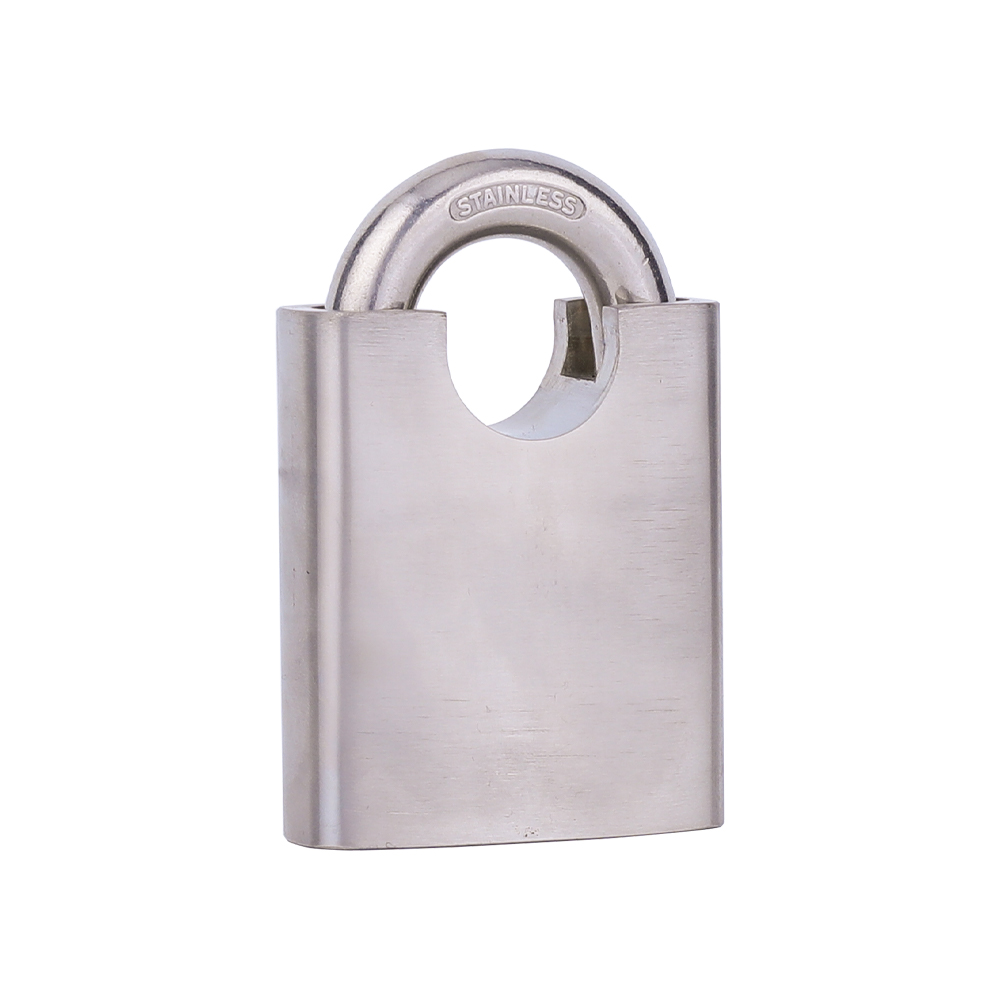
Outdoor security often comes down to choosing the right type of lock and knowing how to maintain it over time. Both a Bullet lock and an Iron padlock are common choices, but when focusing on long-term use, maintenance of an iron padlock becomes a key factor in its durability. Proper care ensures that the lock continues to perform effectively even after prolonged exposure to weather and frequent handling.

Regular cleaning with a dry cloth helps remove dirt and water particles before they settle. Applying a thin coat of protective oil or a silicone-based spray around the shackle and body helps prevent corrosion, keeping the surface sealed from moisture. For areas with heavy rainfall or near coastal environments, repeating this treatment more frequently ensures the padlock remains functional.
A padlock may appear solid on the outside, but its performance depends heavily on the inner cylinder and pins. Without attention, these moving parts can stiffen over time. Using a graphite or Teflon-based lubricant inside the keyway allows smooth key insertion and rotation. Oil-based products are less suitable for the interior since they can attract dust and form a sticky residue. By choosing the right lubricant and applying it every few months, the iron padlock remains easy to operate. This step is especially important for locks that are opened and closed daily, such as those on gates, sheds, or tool cabinets.
Outdoor environments expose locks to dust, sand, and other particles that can enter the mechanism and cause jamming. A simple maintenance routine includes covering the lock when not in use or fitting a weather guard if available. Light brushing around the shackle opening also prevents grit from settling. For sites with heavy dust, such as farms or construction areas, checking and cleaning the padlock more often reduces the chance of damage. An iron padlock that is protected from debris maintains its strength and usability far longer than one left unattended.
Over time, worn or bent keys place extra strain on the locking mechanism, which can shorten the padlock’s service life. Keeping duplicate keys in a secure, dry place and using them alternately helps avoid uneven wear. When a key begins to show signs of bending or rough edges, replacing it promptly prevents unnecessary stress on the iron padlock. This small habit preserves the lock’s interior components and ensures the mechanism continues to engage smoothly.
An iron padlock is often paired with a bullet lock or other locking devices to create multiple layers of protection. While the iron padlock offers versatility across gates, storage areas, and outdoor equipment, maintenance ensures that it remains consistent in its role. Users who neglect simple care routines may find that the lock becomes difficult to operate, reducing its effectiveness over time. On the other hand, a well-maintained iron padlock provides steady performance without the need for frequent replacement. This balance of care and usability is what makes it a practical option for those seeking long-term outdoor security.
Weather patterns play a significant role in the wear of outdoor locks. During colder months, freezing temperatures can cause condensation to harden inside the keyway, making the padlock difficult to open. A seasonal inspection that includes lubrication and cleaning helps prevent this. In hot and dry months, checking for dust accumulation and applying a light protective layer keeps the metal from drying or cracking. These small seasonal adjustments extend the padlock’s lifespan and reduce the likelihood of sudden failures in critical situations.
Even with proper care, matching the lock to its environment is part of maintenance planning. For areas exposed to constant moisture, selecting an iron padlock with a weather-resistant coating increases durability. In less demanding environments, regular cleaning and lubrication may be sufficient. Understanding the conditions where the padlock will be used helps determine the type and frequency of maintenance needed. This consideration ensures that the lock is not only maintained correctly but also used in a setting where it can perform effectively.
Simple daily actions also contribute to the lasting durability of an iron padlock. Avoiding excessive force when turning the key prevents strain on the pins. Locking and unlocking the padlock fully, rather than leaving it partially engaged, keeps the mechanism aligned. Storing the padlock in a dry place when not in use also helps extend its working life. These small practices, when followed consistently, reduce wear and maintain the padlock’s security level for years.
Why Choose An Iron Padlock For Long-Term Outdoor Use?
Where Can You Install A Versatile Iron Padlock For Security?
Your email address will not be published. Required fields are marked *
Copyright © Pujiang Welis Locks Co., Ltd. All Rights Reserved.
Pujiang Gate Padlock Company