中文简体
 English
Product Consultation
Your email address will not be published. Required fields are marked *
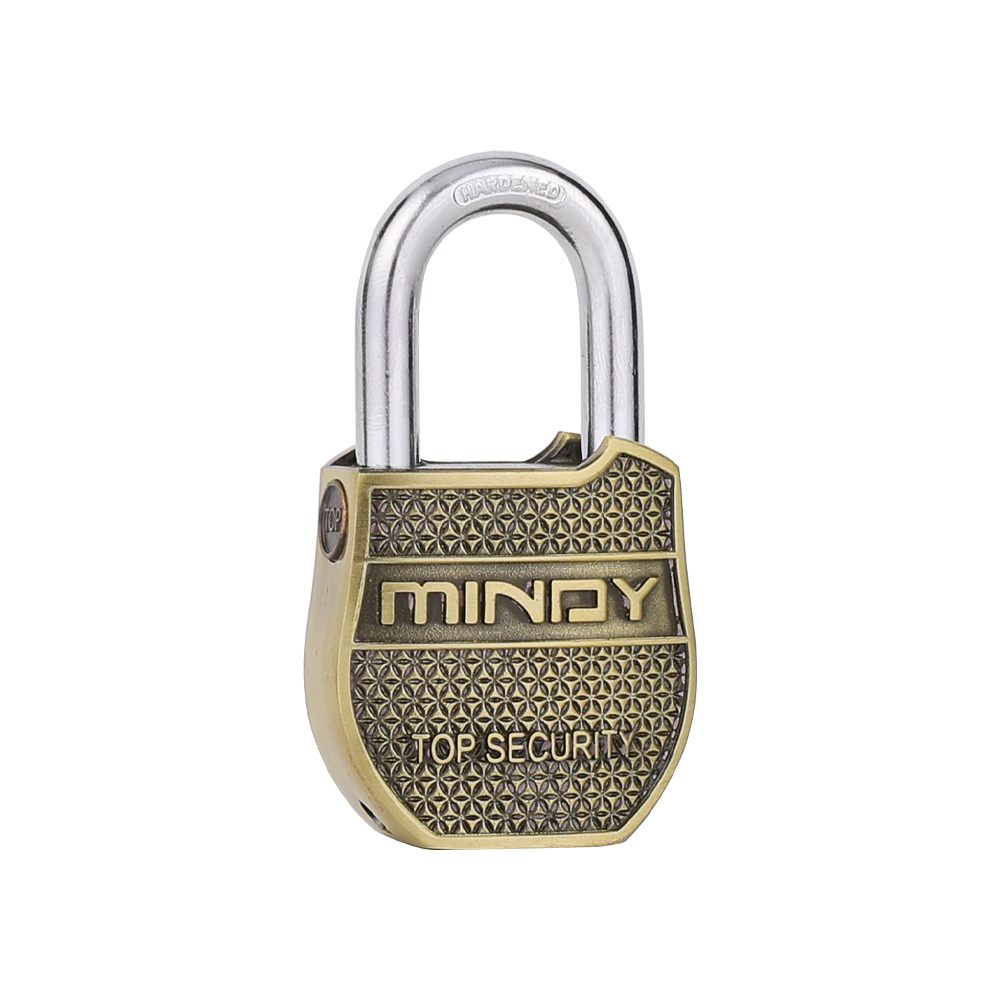
Industrial facilities often have dozens of access points that require mechanical locking, from maintenance rooms and equipment enclosures to storage areas and perimeter gates. In these environments, a heavy duty padlock is not simply a standalone security product; it is part of a larger access and maintenance system. For procurement teams, selecting a suitable lock model and establishing a consistent replacement strategy can help reduce access interruptions and simplify routine facility management.
Not every lock in a facility experiences the same workload. Some gates may be opened several times a day, while equipment cabinets may remain secured for weeks. High-frequency access points should be evaluated according to operating conditions, key usage, shackle movement, and exposure to contaminants.
Separating these applications during procurement allows buyers to avoid applying the same specification to every location without considering actual usage.
A damaged or misplaced padlock can temporarily prevent workers from accessing equipment or storage areas. Maintaining a small stock of compatible replacement locks can make routine maintenance more manageable.
For distributors and facility operators, standardizing selected padlock dimensions across similar applications can also simplify spare-parts purchasing. The objective is not simply to keep more products in inventory, but to make replacements easier to identify and install.
Large industrial sites can quickly develop complicated key arrangements. Different departments may need access to separate areas, while maintenance personnel may require access to several locations.
Before ordering, purchasing teams should define the required key configuration and quantity. Depending on the project, keyed-alike or other organized keying arrangements may help reduce unnecessary key duplication and make daily access administration easier.
Routine inspection should cover the complete locking point rather than the padlock alone. Maintenance personnel can check whether the shackle moves freely, whether the key operates smoothly, and whether the hasp remains correctly aligned.
Visible wear around the locking point may also indicate that the hardware is experiencing excessive movement or mechanical stress. Early identification of these conditions can support more predictable maintenance planning.
For companies operating multiple facilities, using several unrelated padlock models can increase purchasing complexity. Standardizing selected specifications where applications are similar can simplify:
However, standardization should still allow different configurations where environmental or installation conditions require them.
Industrial distributors and private-label buyers may need padlocks with specific body markings, packaging formats, key configurations, or dimensional requirements.
As a manufacturer, we can coordinate product specifications before production and maintain consistent manufacturing requirements across bulk orders. Clear technical communication at the quotation stage helps reduce misunderstandings during sampling, production, inspection, and repeat purchasing.
A heavy duty padlock can support industrial security more effectively when product selection is connected with maintenance and procurement planning. Evaluating access frequency, hardware compatibility, key organization, replacement requirements, and batch consistency gives overseas buyers a more practical basis for sourcing.
For wholesalers, facility operators, and OEM brands, a well-defined specification can also make future orders easier to manage while keeping the locking system consistent across commercial applications.
Heavy Duty Padlock Applications Expand Across Containers, Gates and Industrial Storage
Heavy Duty Padlock Use Expands From Industrial Sites to Everyday Outdoor Security
Your email address will not be published. Required fields are marked *
Copyright © Pujiang Welis Locks Co., Ltd. All Rights Reserved.
Pujiang Gate Padlock Company