中文简体
 English
Product Consultation
Your email address will not be published. Required fields are marked *
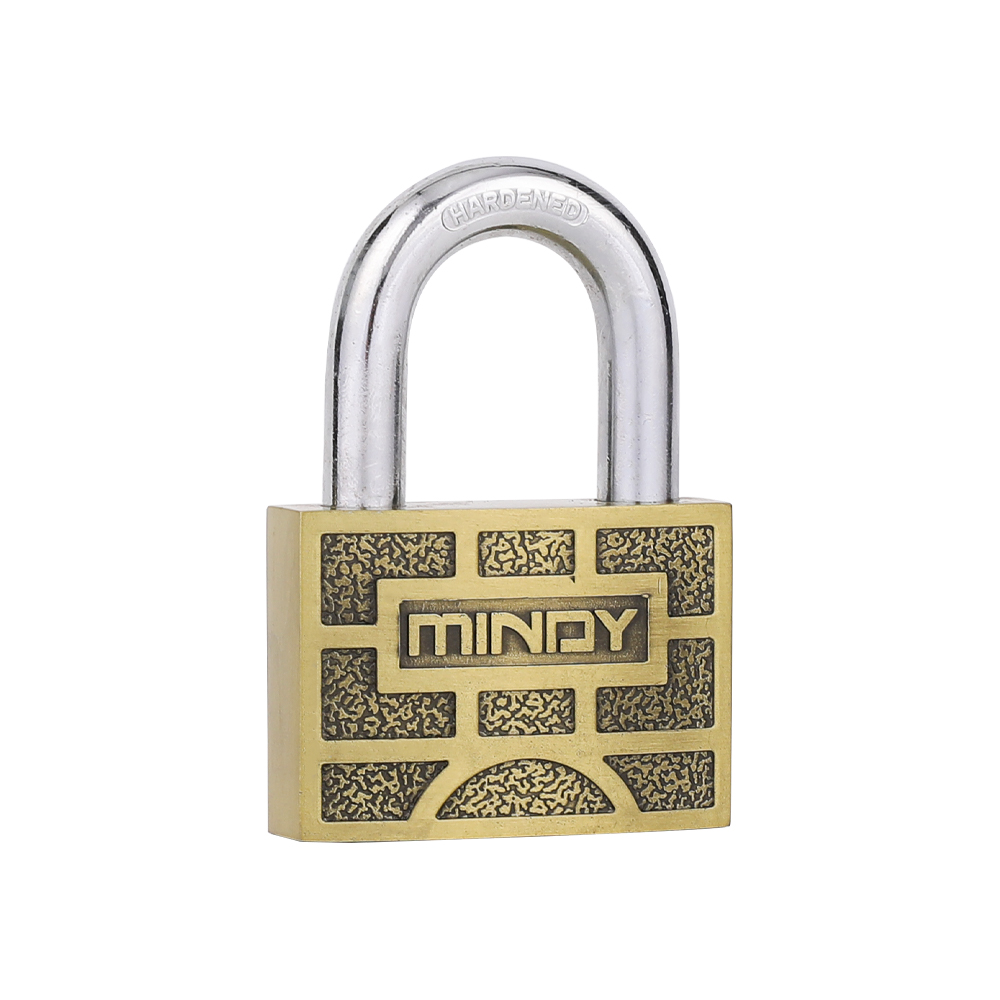
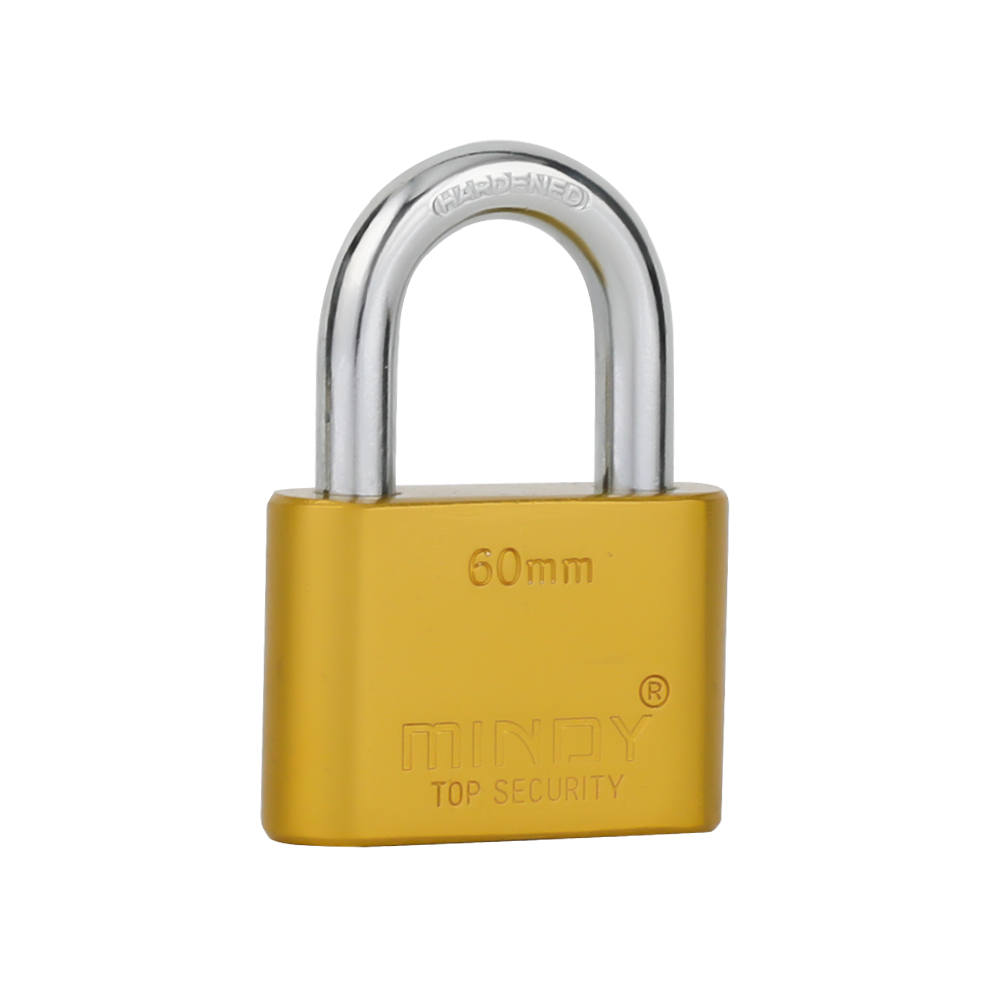
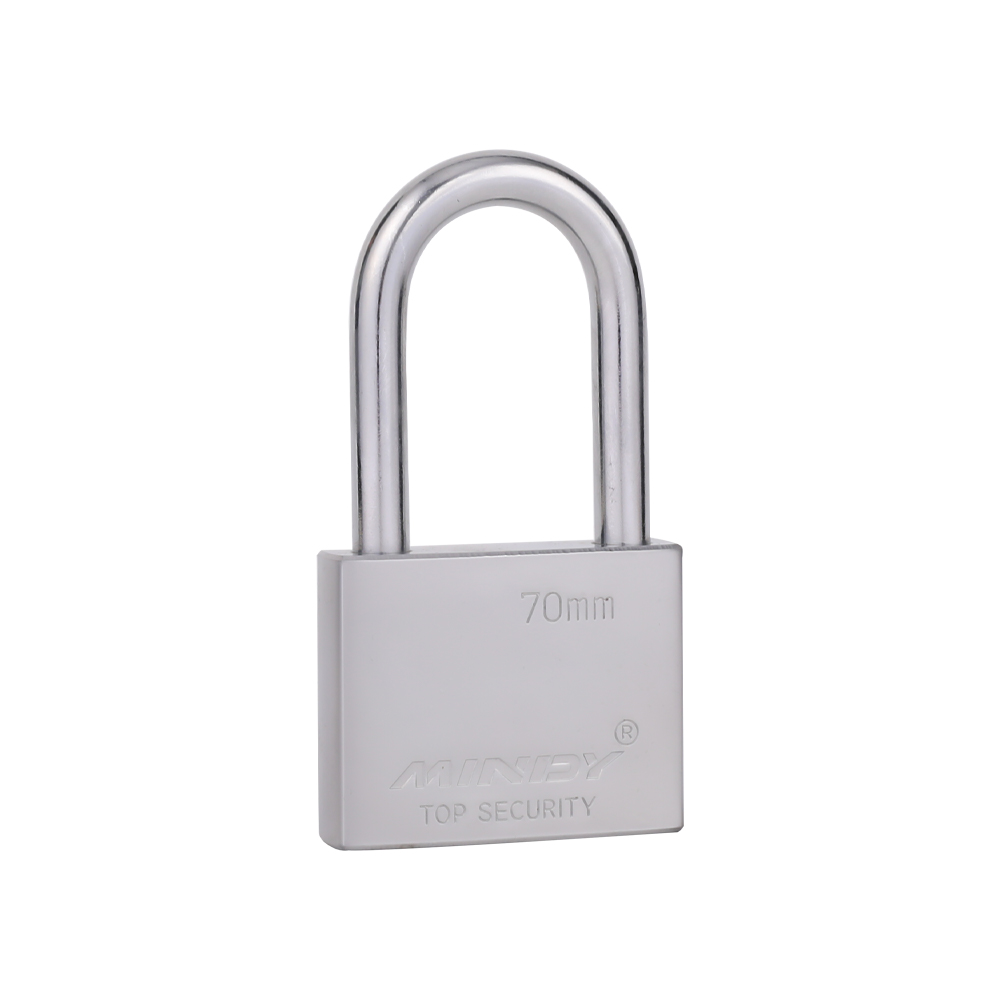
Industrial buyers are increasingly evaluating padlocks according to the specific access points they need to secure. Shipping containers, warehouse gates, outdoor storage cages, equipment cabinets, and temporary construction areas all present different installation conditions. A heavy duty padlock designed for these environments needs to combine a suitable shackle configuration, reliable locking operation, and compatibility with commercial hasps rather than simply relying on a larger lock body.
Shipping containers often use external locking bars or dedicated hasp systems, leaving limited space around the locking point. A padlock with unsuitable shackle clearance may be difficult to install or leave unnecessary exposed space.
Procurement teams sourcing container locks should therefore check the dimensions of the locking hardware before placing bulk orders. Consistent shackle positioning is also useful when the same padlock model is deployed across multiple storage locations.
Warehouse and factory gates may be opened several times throughout a working day. In this environment, a lock needs to support repeated key insertion, unlocking, and relocking without creating unnecessary delays for operators.
The relationship between the shackle and gate hasp is particularly important. If the fit is too tight, daily operation can become inconvenient; if there is excessive movement, the locking point may not provide the expected level of physical security.
Storage yards commonly use padlocks on tool cages, material enclosures, maintenance areas, and temporary storage units. These locations may experience dust, rain, mud, and frequent handling.
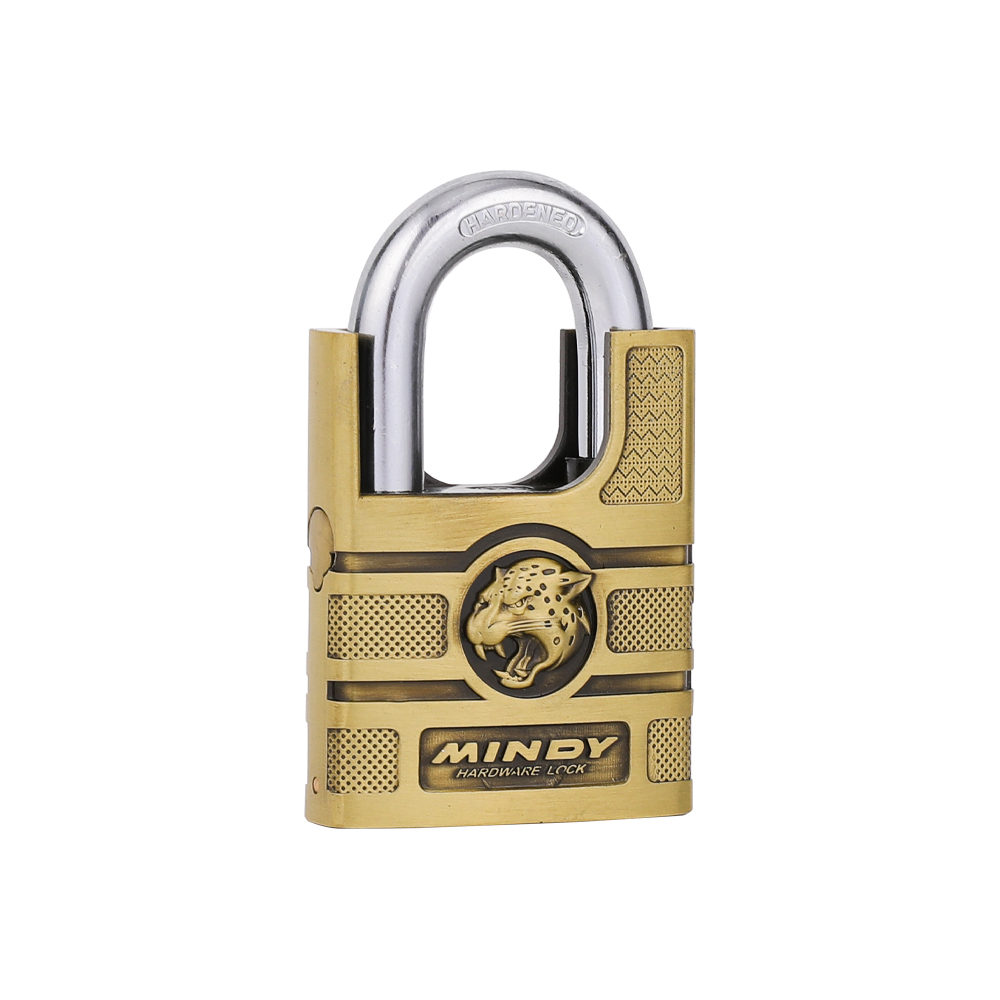
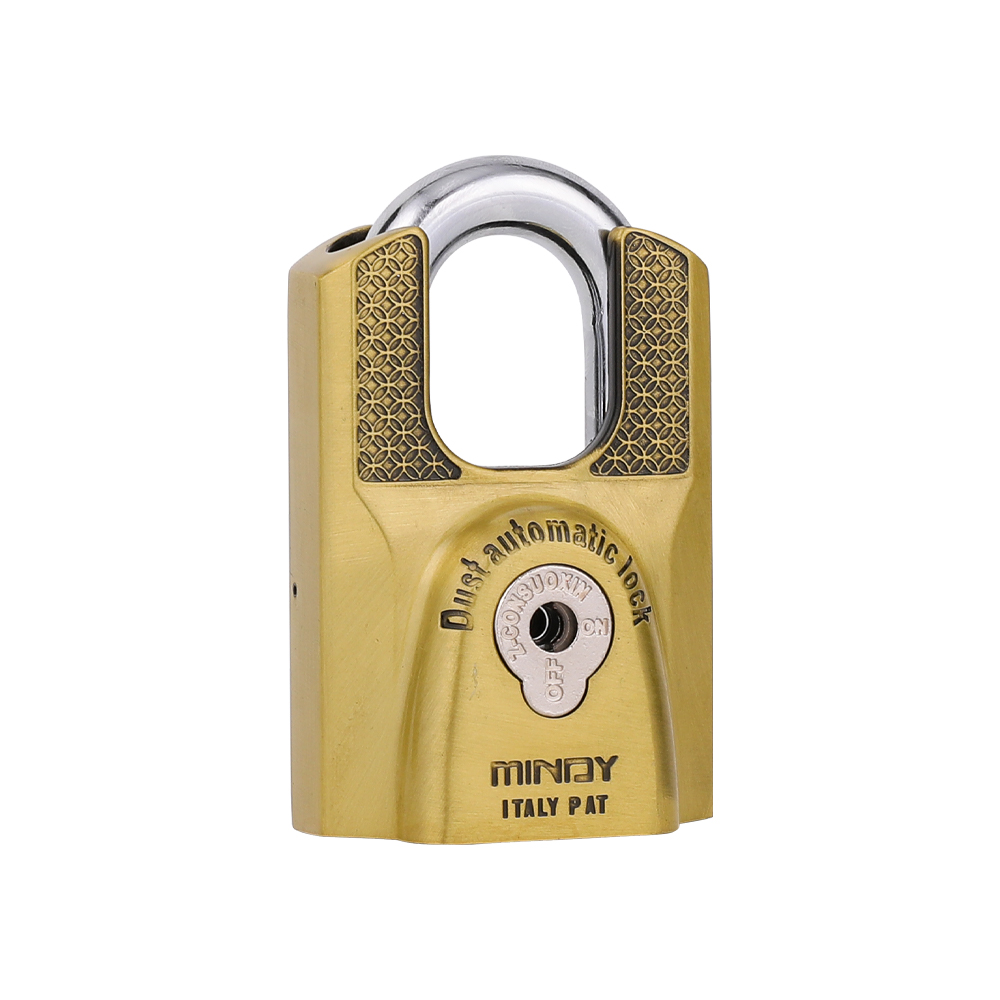
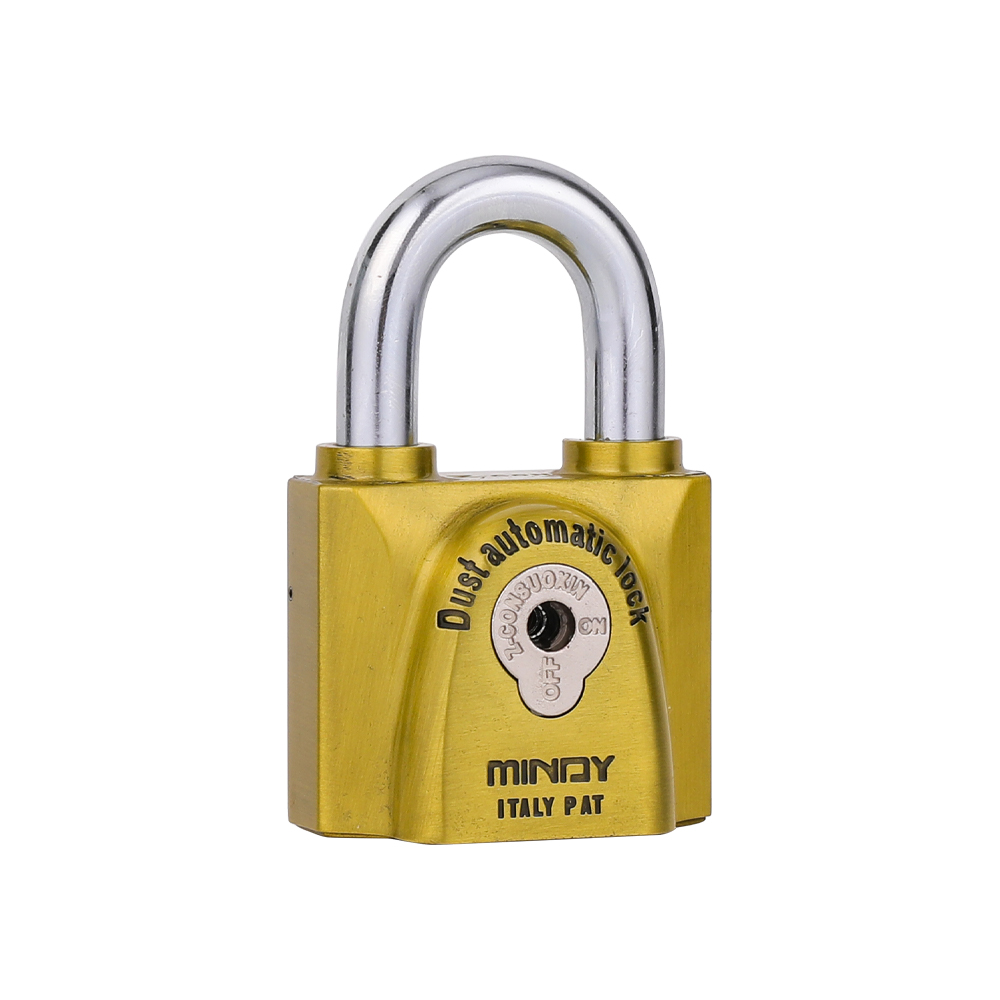
A suitable industrial padlock should therefore be specified according to the exposure level and frequency of use. Protective keyway features and appropriate surface treatments can support more reliable operation where the lock is exposed to outdoor conditions for extended periods.
A common purchasing mistake is selecting the padlock and checking the hasp afterward. In commercial applications, the two components should be considered as one locking assembly. Buyers should review:
This simple compatibility check can reduce installation difficulties and avoid unnecessary product replacements after delivery.
For distributors and industrial purchasing departments, consistency across a shipment can be as important as individual product performance. Different shackle sizes, key configurations, or body finishes within the same order can complicate inventory control.
Before production, buyers should confirm drawings, dimensions, key requirements, surface finish, packaging, and labeling. Clear specifications allow the manufacturer to maintain the same configuration throughout the production batch.
Private-label distributors may require more than a standard catalog padlock. Depending on the project, OEM requirements can include customized lock body markings, packaging, key quantities, surface finishes, or selected dimensional specifications.
Working directly with a manufacturer can make it easier to coordinate these details before mass production and maintain consistency between repeat orders.
A heavy duty padlock should be selected around the door, gate, container, cabinet, or enclosure it will protect. For overseas wholesalers and engineering buyers, checking installation dimensions, access frequency, environmental exposure, and key-management requirements before purchasing can make product selection more practical.
Manufacturers that understand these application details can provide more suitable configurations for industrial, commercial, and OEM security projects.
Heavy Duty Padlock Selection Shifts Toward Outdoor Durability and Practical Security
Heavy Duty Padlock Maintenance Planning for Industrial Facilities
Your email address will not be published. Required fields are marked *
Copyright © Pujiang Welis Locks Co., Ltd. All Rights Reserved.
Pujiang Gate Padlock Company